

Searching the indieweb: How to find real people, real projects, real writing in a sea of AI slop

The corporate web is doomed, but the indieweb is thriving. Discover alternative search engines to surface real people, real projects, and real writing.

Google and other major search engines get flooded with AI-generated, SEO-optimized, and low quality content every single day. AI-slop became the front-page of the internet. And burdened underneath are the things created by real people, real projects, and real writing. The internet lost its authenticity, and instead it is dominated by algorithms and corporations. Opinions are created as clickbait, headlines are just there to make us navigate to a specific website, most posts are tediously put together for views, dominating SEO. Suddenly, the whole media landscape has collectively agreed to whatever they put out, has been created to earn clicks, instead of drawing the attention of people to it, who want to actual read it.
The corporate web is doomed.
What thrives though is the indieweb, a people-focused alternative to the corporate web, emphasizing personal websites, blogs, independent projects, and real human writing. The indieweb matters as it preserves the original spirit of the internet, being human, and creative. The issue is though, the content which matters most gets buried in an ever-growing pool of AI slop. Traditional search engines like Google put AI-generated summaries and content, and ads first, authentic content gets pushed further down, hardly ever seen by potential visitors. Even worse, people increasingly use ChatGPT, Gemini, or Perplexity to "search" the web. As a result of that, people are consuming corporate-controlled summaries, bypassing the actual websites, the actual content created by real and creative humans, who sometimes rely on people actually visiting their websites to make a living. And the rise of AI browsers make this whole situation even worse.
Yet, I have hope that the indieweb will fight back. It just needs accessible tools to surface content from real people, and not just big platforms. Thankfully, there are already a bunch of alternative search engines, especially built to search through the indieweb, and surface personal websites, blogs, projects, and human writing. No AI-slop, no surveillance, no ads.
Let us get into it.
Marginalia
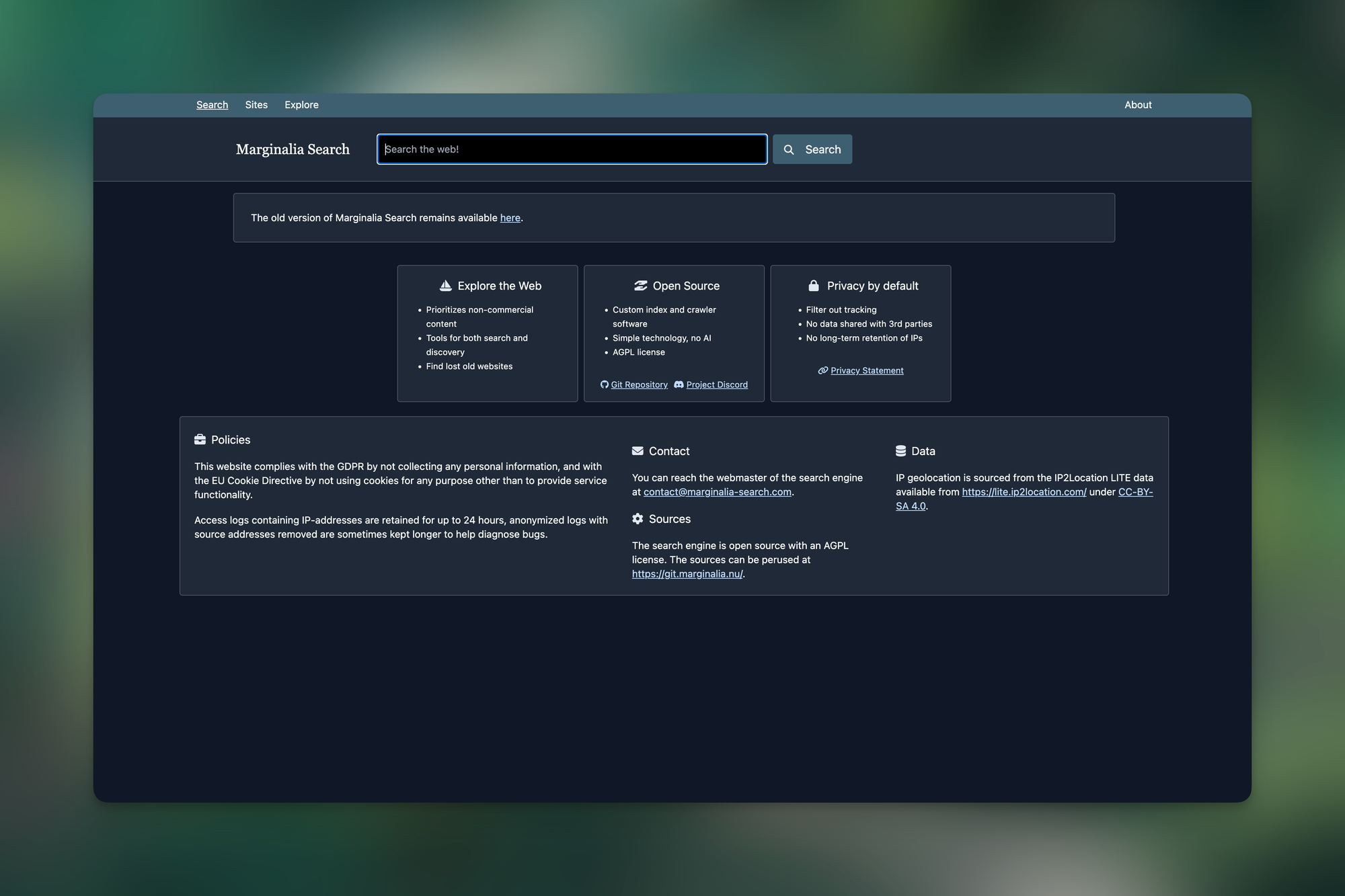
Marginalia Search is an independent open source web search engine, developed and operated by Swedish software engineer Viktor Lofgren. As there are loads of previous websites out there that deserve an audience, but thanks to the corporate web are languishing in obscurity, there is a dedicated need for alternative discovery mechanism to prioritize the free and independent part of the web. And Marginalia does exactly that.
Marginalia is not seeking to replace corporate searches like Bing or Google, but its goal is to complement them to provide a minority report that keeps them honest. It prioritizes non-commercial content, provides tools for both search and discovery, and helps users to find lost old websites. Marginalia is powered by a custom index and crawler software, which is also open source. By default, when using Marginalia it filters out any kind of tracking, no data will get shared with 3rd parties, and there is no long-term retention of IPs.
You can either use Marginalia to just search for websites, but when navigating to its website, you will also find an "Explore" option at the top of the page, which will show you a random selection of websites. Perfect to dive into your next rabbit hole.

Curlie
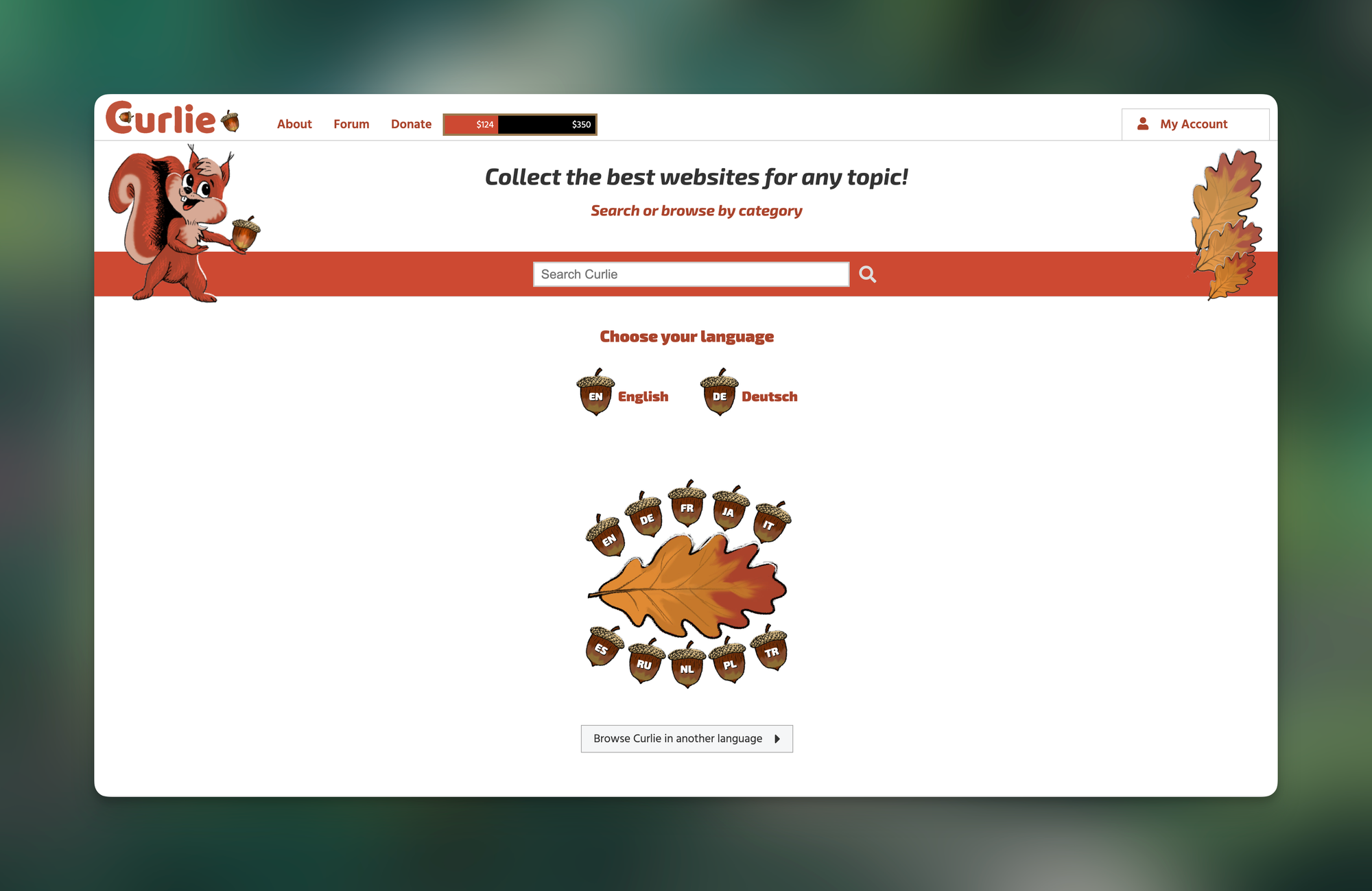
Curlie is a human-edited directory of the web, strives to be the largest of its kind, and is fully run by volunteer editors. As of writing this, Curlie can be used in 92 languages, over 92.000 editors are working on it, and nearly 3.000.000 websites have been indexed. You can either search through Curlie by entering a search term, or browse through its over 1.000.000 categories in order to discover personal sites, blogs, independent media, and projects by real humans.


Feedle
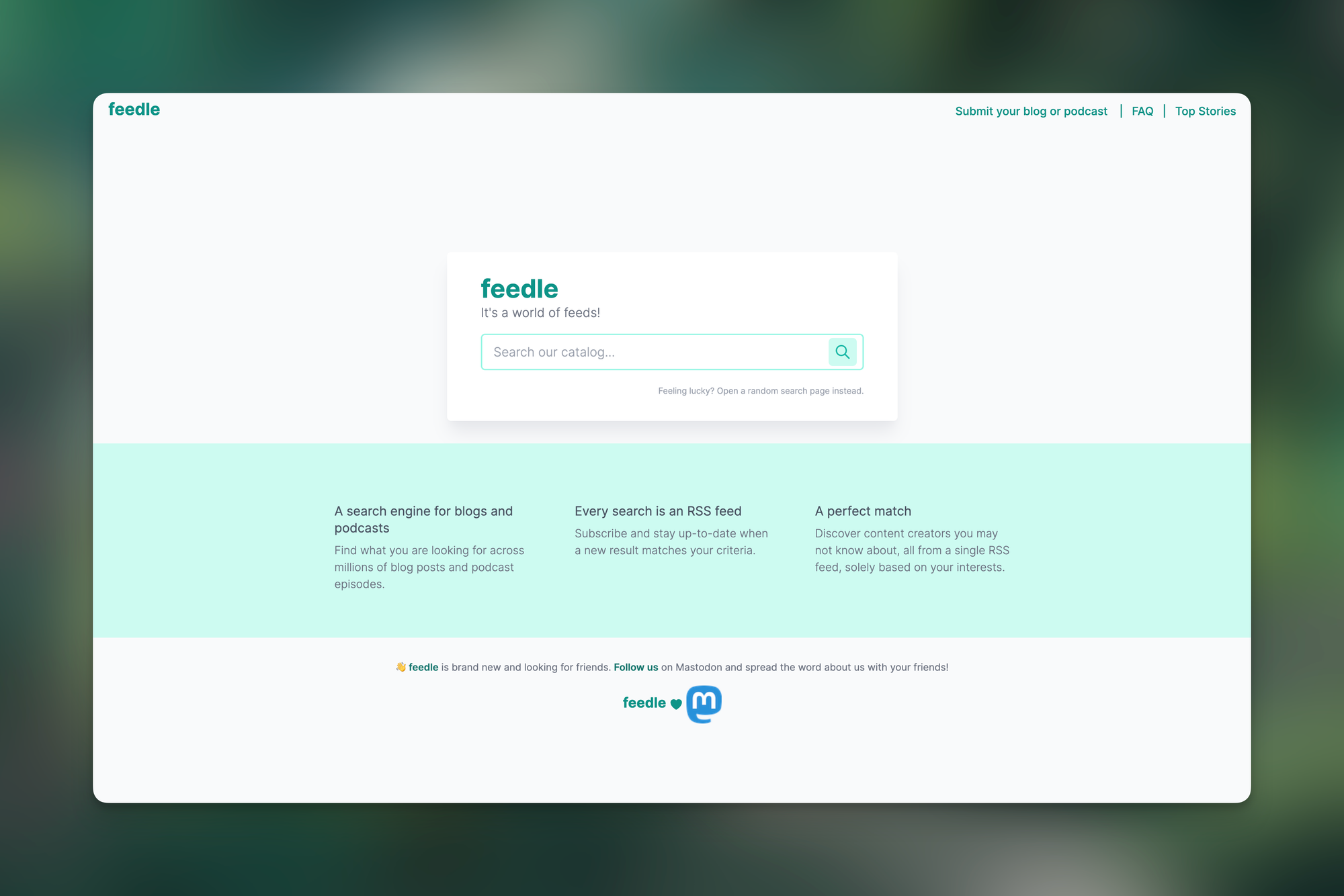
Feedle is a search engine for blogs and podcasts, that gives you the possibility to search across millions of blog posts and podcast episodes from independent creators. Every search is an RSS feed, which means you can subscribe and stay up-to-date when a new result matches your criteria. And besides that, it is an awesome way to discover content creators you may have not know about, all from a single RSS feed, that is based on your interests.
For every RSS feed that gets indexed by feedle, the content becomes searchable, which means people can find precisely the posts they are interested in. So, no matter if you want to learn more about writing online, product design, SwiftUI, or anything else, feedle will provide you with a lovely suggestion of content, and a great way to discover your next favorite creator. And in case you want to have a constant stream of new posts about a specific topic, category, or search term, you can subscribe to that search via RSS too.
If you want to learn more about feedle, you can check out the deep dive I wrote about it back in December 2024.

searchmysite.net
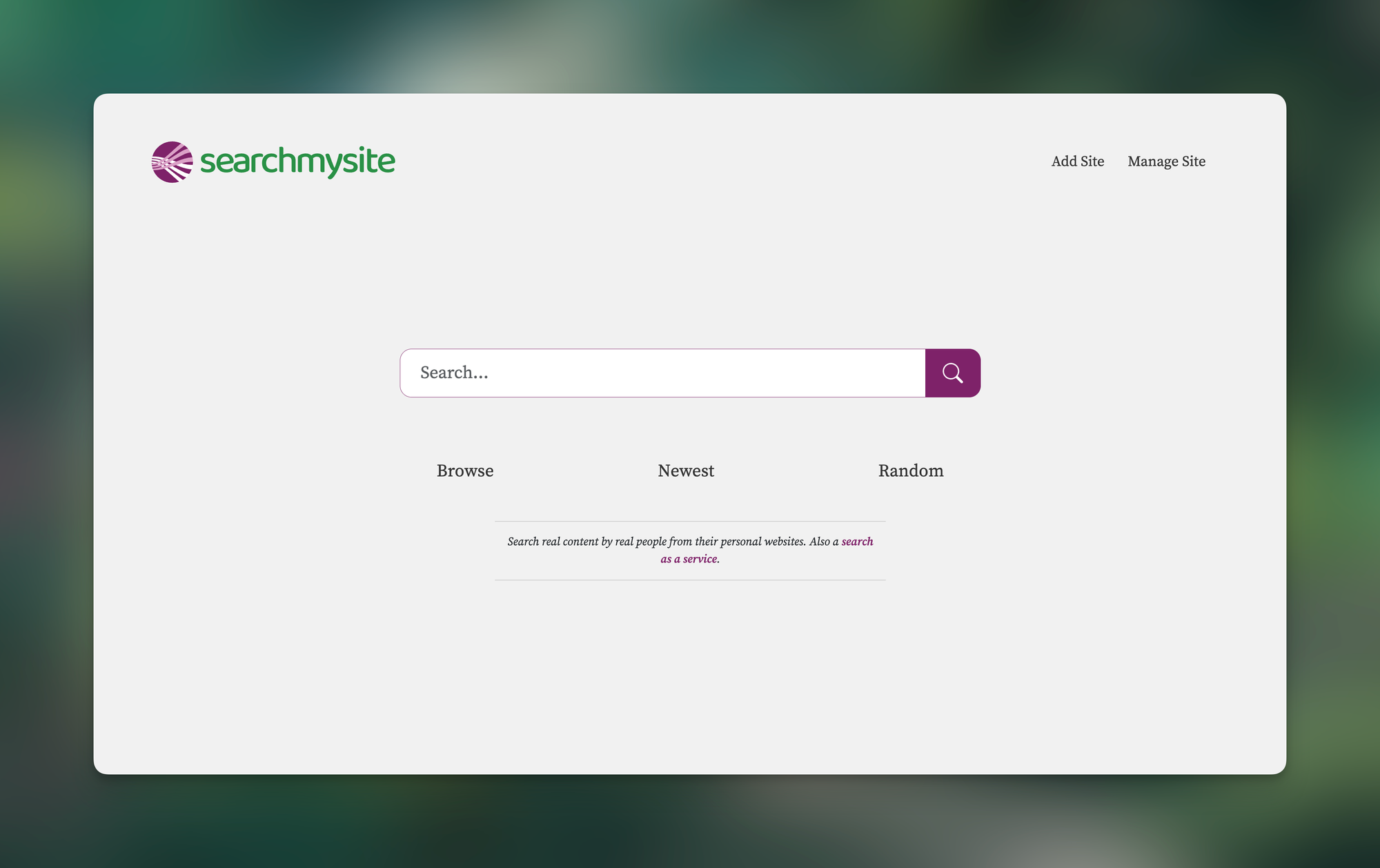
Searchmysite.net is a boutique search engine for personal websites, in order to discover and browse through the indieweb. It resurfaces people's personal experiences of certain topics, hobbies, and interests. All the sites that have been indexed by searchmysite.net have been manually submitted by users. So, instead of indexing the entire internet with all its spam and AI slop, search engine optimizations, and click-bait content, searchmysite.net shows you websites that really matter.
While using searchmysite.net, you can enjoy an ad-free experience, free from surveillance capitalism. Instead of relying on advertising in order to operate the search engine, searchmysite.net aims to have a sustainable and user-aligned operating model, as it plans to pay running costs via the "search as a service" features.
Besides that, searchmysite.net is fully open-source to provide even greater transparency of the searching, ranking, and indexing processes, and for greater community involvement in improving the service.


Ghost Explore
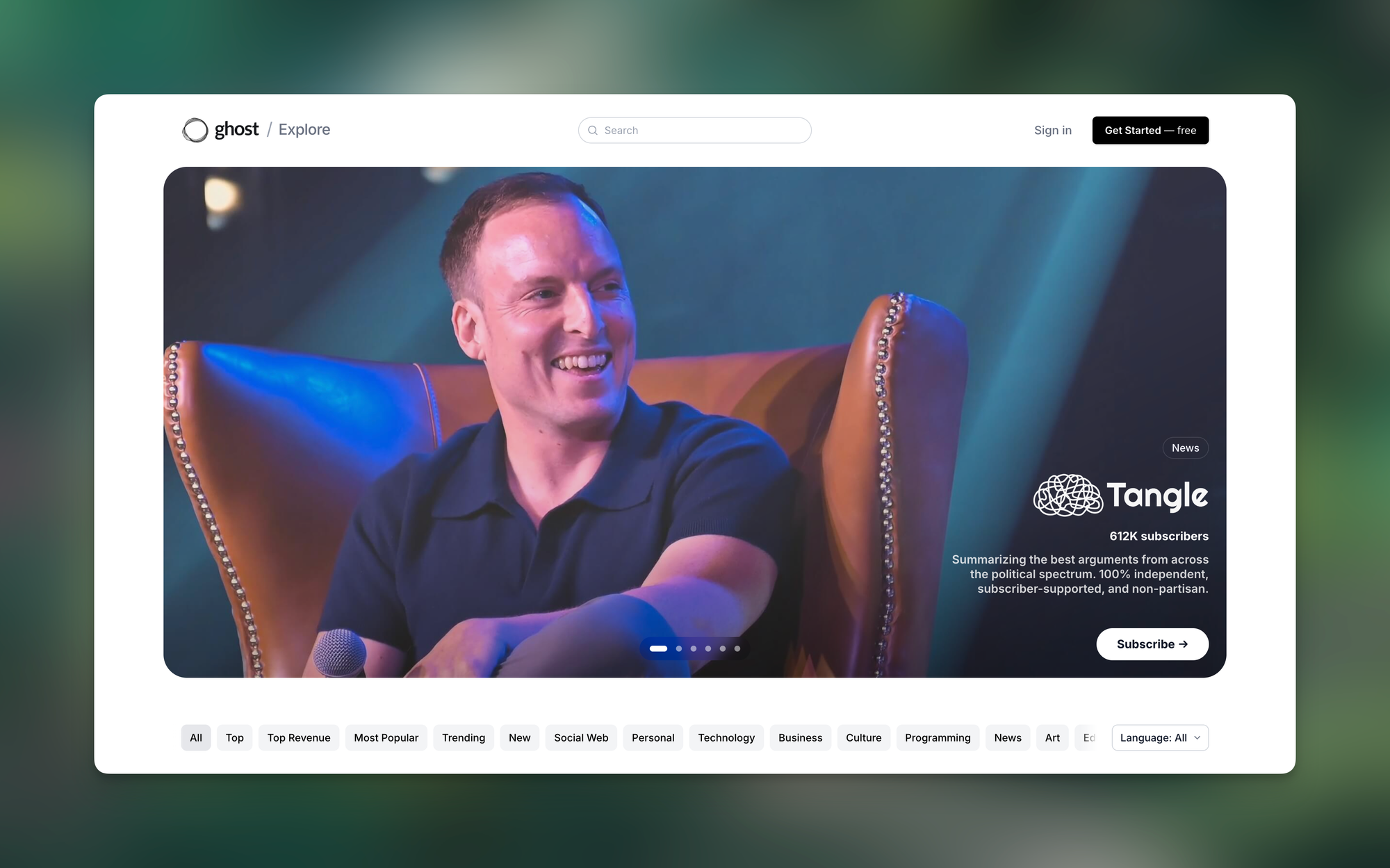
Ghost recently built a brand new discovery engine for indie publications. For a while, the team at Ghost tried to curate recommendations with a manual directory, but now it offers a brand new service that brings the best Ghost publishes on the web all together in a single location. This new distribution channel has been build to showcase independent publishes and help them grow by putting their work in front of a new audience, and promoting it across Ghost.org.


Wiby
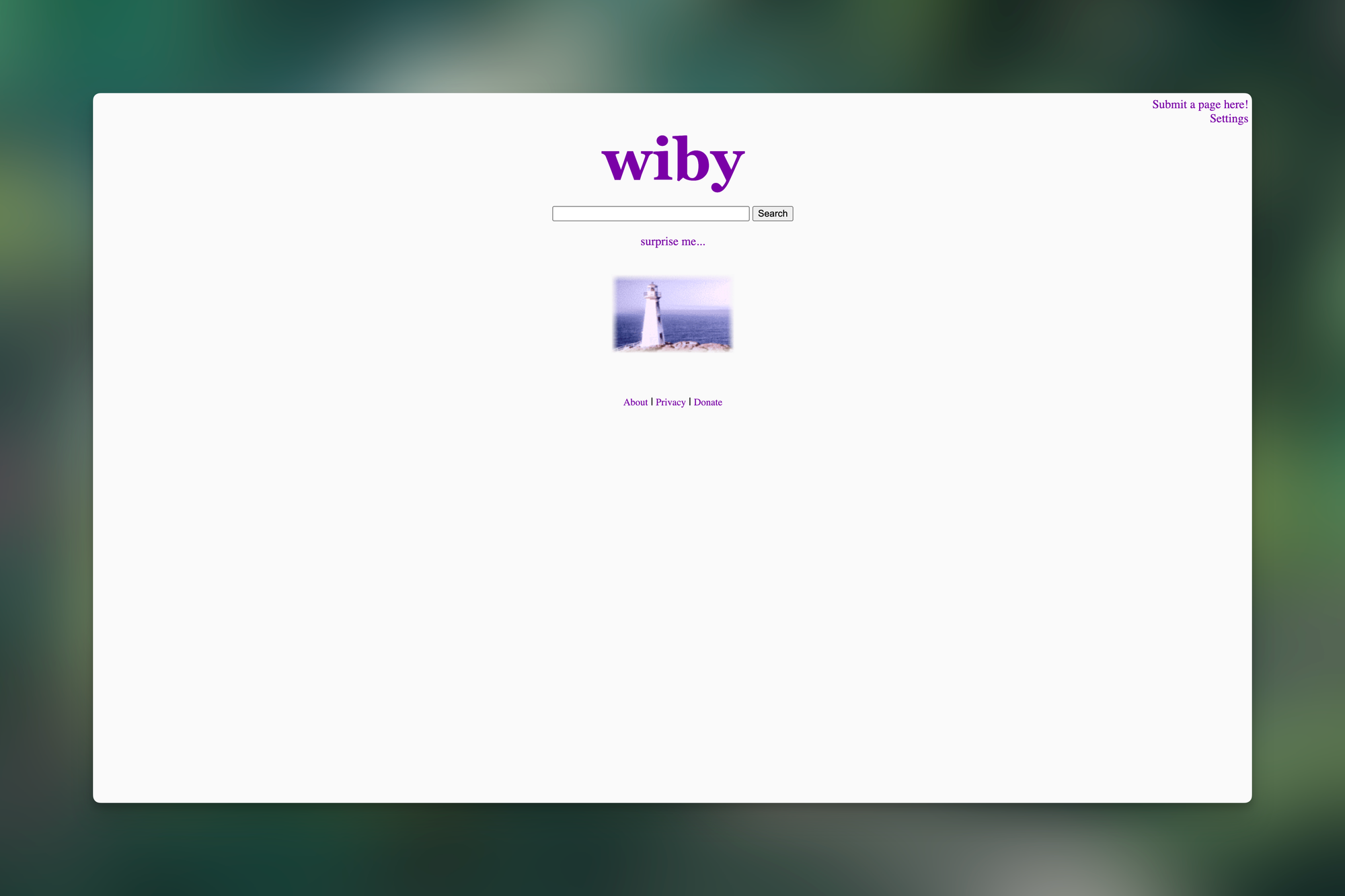
Wiby is a search engine build on a web of pages as it was in the earlier days of the internet. It reflects the early days of the web, where pages were made primarily by hobbyists, academics, and computer-savvy people about subjects they were personally interested in. Wiby only indexes sites that are not written in JavaScript, which allows you to dive back into the early days of the web. With a single click, you can explore a side of the internet most people who are reading this are probably no longer familiar with.
So, while Wiby is an alternative search engine to explore websites and creative projects by real humans, you can not really use it to explore the modern version of the indieweb. It is still a fun way to get lost in pages of a much simpler time. Wiby is a great way to find things you did not know you wanted to know, which describes the real joy of surfing through the web.
And in case you have no idea what to search for with Wiby, you can simply click the "surprise me..." button on its website, which will open up a random website for you.


Share or forward this post to your friends, if they are also looking for creativity and productivity-boosting tools and resources. If you need help discovering your next favourite task management, note-taking, or PKM app, Creativerly delivers the insights you need. Creativerly is an independent publication and I am writing and maintaining it in my free time. You can support Creativerly and my work by sharing it with the world, booking an advertising spot, or by buying me a coffee.


Discussion